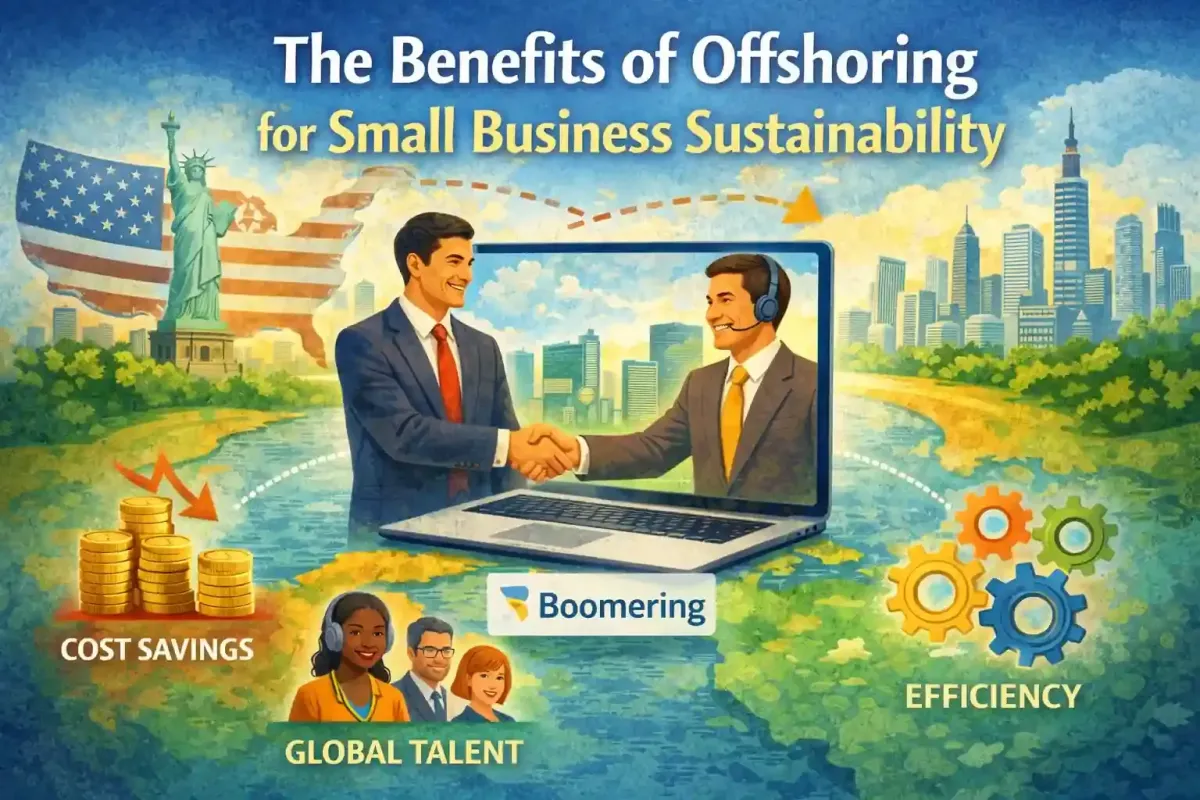
The Benefits of Offshoring for Small Business Sustainability
As businesses look for ways to remain competitive in an increasingly globalized market, offshoring has emerged as a powerful solution for improving efficiency and reducing costs. Offshoring, which involves outsourcing certain business processes to countries with lower labor costs, has become an essential strategy for small businesses aiming to scale operations without compromising quality or increasing overhead. While the concept may seem daunting to some, when done strategically, offshoring can provide long-term benefits for small businesses seeking sustainable growth.
The Strategic Advantage of Offshoring
One of the primary reasons businesses consider offshoring is the ability to access a global pool of talent. By partnering with outsourcing providers, businesses can leverage specialized skills that may not be readily available in their local market. This access to international expertise can improve product quality, enhance customer service, and allow businesses to innovate more effectively.
Moreover, offshoring allows businesses to scale quickly without the need for significant investments in infrastructure. For example, instead of hiring a large in-house team, a business can outsource tasks like customer support, IT management, or marketing to an offshore partner, enabling it to remain nimble and cost-effective. This flexibility is particularly important for small businesses that need to grow quickly but lack the resources to expand their teams locally.
Offshoring also allows businesses to focus on their core competencies by freeing up time and resources. Instead of dedicating time to non-core activities such as payroll or administrative tasks, companies can rely on offshore teams to manage these functions efficiently, allowing them to focus on strategic initiatives that drive growth.
Managing Risks and Ensuring Long-Term Stability
While the potential benefits of offshoring are clear, businesses must approach it with careful consideration. Offshoring is not without risks, including potential communication barriers, time zone differences, and quality control issues. However, with the right planning and oversight, these challenges can be mitigated, ensuring that the business continues to operate smoothly and efficiently.
One of the key elements of successful offshoring is the establishment of strong communication channels. Clear communication is essential for ensuring that both parties are aligned in terms of expectations, deliverables, and timelines. Regular check-ins and the use of project management tools can help keep both teams on track and prevent misunderstandings.
Additionally, businesses must carefully select their offshore partners, ensuring that they have the right expertise, resources, and track record. Working with reputable offshoring providers, such as those connected through platforms like Boomering, can help ensure that businesses are partnering with experienced professionals who understand the intricacies of their industry. By building strong, long-term relationships with reliable partners, businesses can achieve the stability necessary for sustainable growth.
Leadership in Offshoring: Navigating Change for Future Success
The success of offshoring also depends on the leadership guiding the strategy. Strong leadership is critical for ensuring that the offshoring process is integrated smoothly into the business’s operations and aligned with long-term goals. Leaders who have a clear vision and are skilled in managing change can better navigate the complexities of offshoring, ensuring that it supports the overall business strategy.
Leadership development programmes play an essential role in preparing executives to manage offshoring partnerships effectively. These programmes focus on key skills such as decision-making, communication, and strategic thinking, helping leaders balance the benefits and risks of offshoring. For example, leaders who undergo training in corporate executive coaching can develop the skills necessary to manage international teams, navigate cultural differences, and foster collaboration across borders.
Furthermore, leaders who understand the broader implications of offshoring—beyond cost savings—can position their businesses for long-term success. They can ensure that offshoring supports the company’s core mission and values while enhancing operational efficiency. This requires a strategic approach that integrates offshoring as part of a larger growth plan, rather than viewing it as a short-term fix.
Just as organizations like Handshake Aid leverage strong leadership to drive meaningful social impact, businesses that apply thoughtful, strategic leadership to their offshoring efforts are better positioned for sustainable growth and long-term success. By focusing on both the immediate benefits and the future implications, leaders can ensure that offshoring becomes a vital tool in their business’s evolution.
In conclusion, offshoring can be a powerful strategy for small businesses looking to enhance their efficiency, access global talent, and achieve sustainable growth. By navigating the challenges carefully and investing in strong leadership, businesses can reap the long-term benefits of offshoring while maintaining the stability and flexibility needed to thrive in a competitive market.
About the GNR Media Network
This article was published by a business that is part of the
GNR Media Visibility Network — businesses that have chosen
to work together to help one another be seen and share
their expertise with a wider audience.
Learn more about the GNR Media network.
