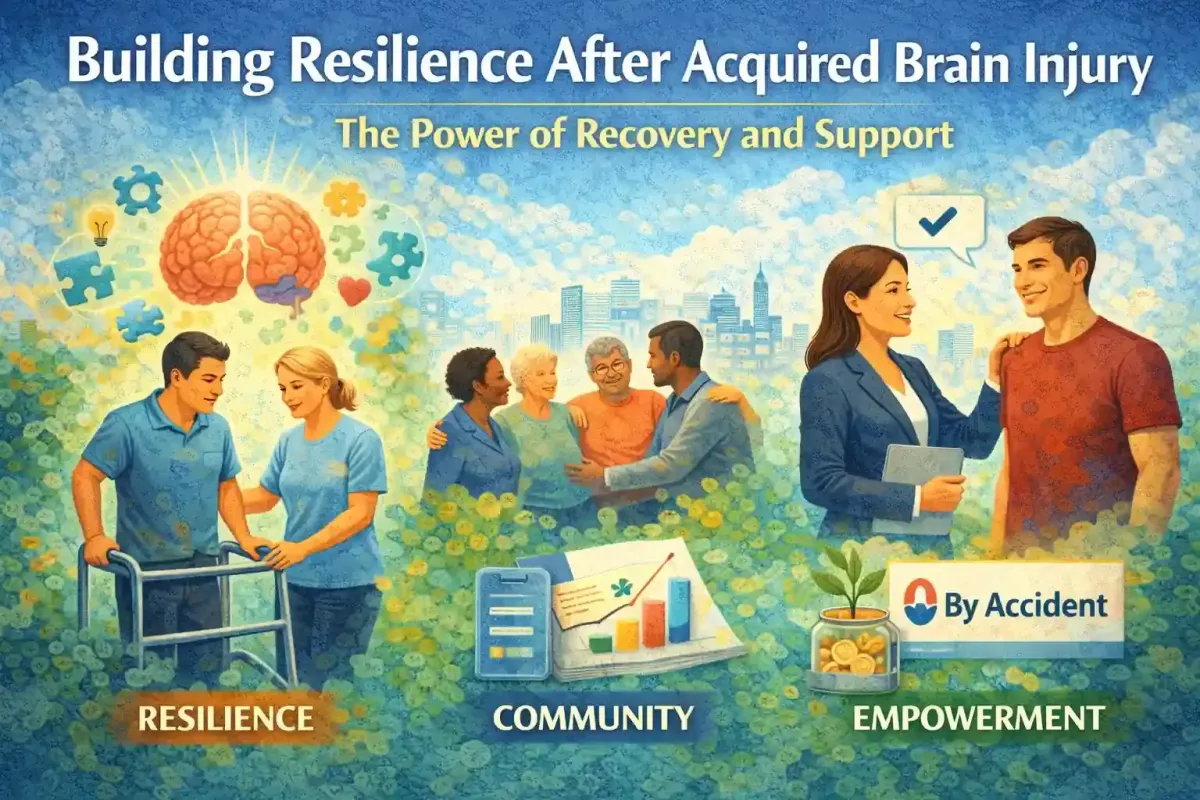
Building Resilience After Acquired Brain Injury: The Power of Recovery and Support
Acquired brain injuries (ABIs) can drastically alter the course of a person’s life, impacting everything from cognitive functions to physical abilities. For individuals and their families, the recovery journey can feel overwhelming and unpredictable. However, with the right support, tools, and mindset, individuals affected by ABIs can rebuild their lives, regain independence, and thrive in their communities. The key to this transformation is not just in medical treatment, but in fostering resilience and recovery through education, empowerment, and support.
The Role of Resilience in ABI Recovery
Recovery from an acquired brain injury is often a long and challenging process. While medical treatments and therapies play a crucial role in healing, building resilience is just as important. Resilience refers to the ability to adapt positively to adversity, overcome challenges, and bounce back from setbacks. For individuals with an ABI, resilience is what helps them navigate the difficulties that come with the injury—be it cognitive challenges, mobility issues, or emotional hurdles.
By Accident, an Australian initiative focused on supporting those affected by acquired brain injuries, emphasizes the importance of resilience in the recovery process. Through lived-experience storytelling, workshops, and coaching, the program helps individuals build emotional and mental resilience, which is vital for long-term recovery. These personal stories not only inspire others but also provide practical tools that individuals and their caregivers can use to cope with the ongoing challenges of ABI.
Resilience can be cultivated through various strategies, such as setting realistic goals, celebrating small victories, and seeking social support. Encouraging self-compassion and patience with the process is essential, as recovery can often be non-linear. Through these methods, individuals can regain confidence and maintain motivation, making it possible to thrive after an ABI.
The Importance of Community and Support Networks
One of the most vital aspects of recovering from an acquired brain injury is the support system surrounding the individual. Family, friends, caregivers, and community organizations all play a role in the healing process. Strong support networks provide the emotional, practical, and financial assistance necessary to navigate daily life after an injury.
Initiatives like Handshake Aid demonstrate the significance of community support, as they work to break barriers for vulnerable students. By providing essential resources such as uniforms, stationery, and meals, Handshake Aid helps children stay focused on their education despite the challenges they may face. Similarly, for individuals recovering from an ABI, access to resources and community support is crucial in rebuilding their lives. These networks can offer practical guidance, emotional comfort, and even financial assistance, helping individuals regain their sense of belonging and purpose.
Support groups for individuals with ABIs can also provide a space for shared experiences, where participants can offer advice, encouragement, and strategies for coping. Connecting with others who have faced similar challenges fosters a sense of understanding and validation, which is critical for maintaining mental health and well-being. Ultimately, the support of others not only aids in the recovery process but also helps prevent feelings of isolation, which can often accompany brain injuries.
Empowering Individuals Through Education and Coaching
In addition to resilience-building and support networks, education plays a pivotal role in ABI recovery. By providing individuals with the knowledge and skills they need to manage their injury, programs like those offered by By Accident can help empower individuals to take an active role in their recovery. These programs focus on practical tools and guidance that are rooted in real-life experience, making the lessons more accessible and actionable.
Furthermore, coaching programs can help individuals regain confidence in their abilities and foster a sense of control over their lives. Whether it’s learning how to navigate cognitive difficulties, manage physical rehabilitation, or adjust to emotional changes, coaching provides the structure and support needed to make progress. In many cases, coaching also helps individuals set achievable goals, track their progress, and celebrate milestones along the way.
Leadership development programmes, such as those that focus on communication and influence skills, can also help individuals with ABI improve their interpersonal relationships and navigate complex social situations. These skills not only support personal growth but also facilitate smoother transitions back into work or social environments. By equipping individuals with the tools they need to succeed, education and coaching programs enhance their long-term prospects for recovery and personal fulfillment.
In conclusion, recovery from an acquired brain injury is not just about physical rehabilitation; it’s about building resilience, seeking support, and gaining the confidence and skills to live a fulfilling life. By embracing a holistic approach that includes resilience training, community support, and educational resources, individuals with ABIs can overcome challenges and emerge stronger than before. Through initiatives like Handshake Aid, which supports children in need, or By Accident’s focus on ABI recovery, we see the profound impact of building resilience and support networks in creating lasting positive change for individuals and communities alike.
About the GNR Media Network
This article was published by a business that is part of the
GNR Media Visibility Network — businesses that have chosen
to work together to help one another be seen and share
their expertise with a wider audience.
Learn more about the GNR Media network.
