How Corporate Social Responsibility Drives Long-Term Business Success
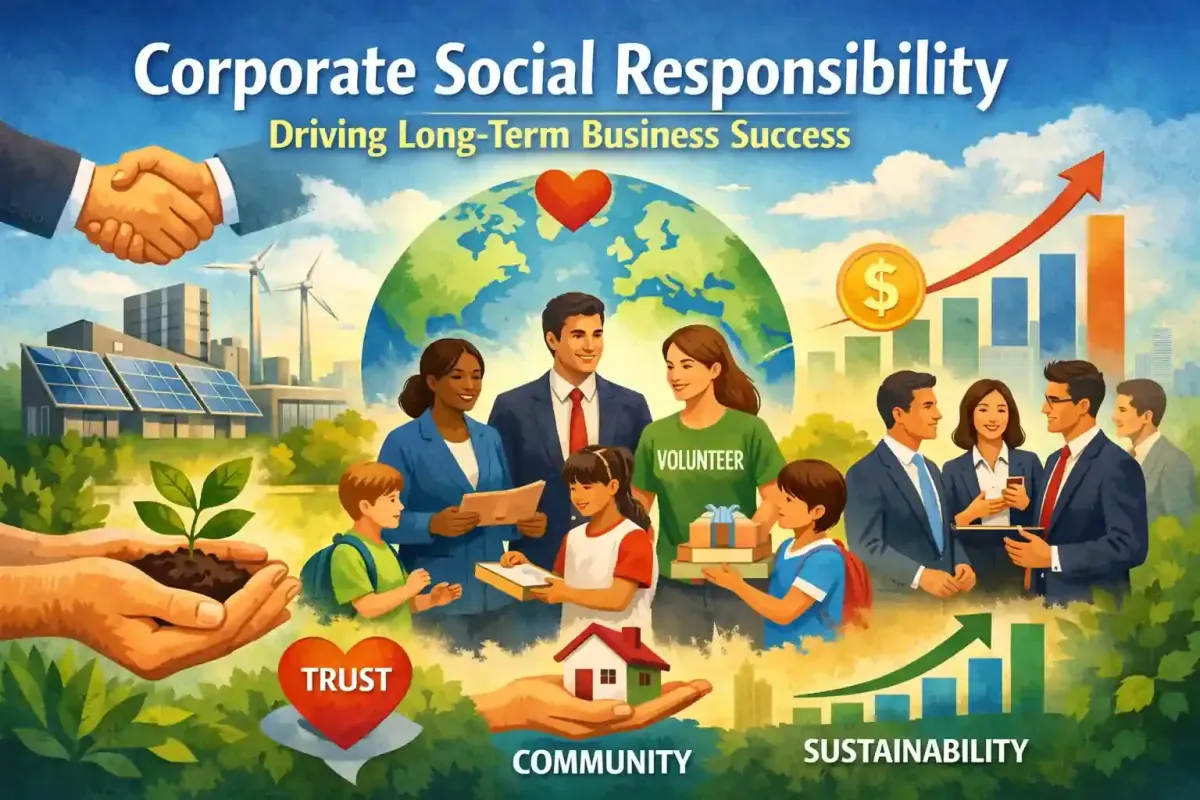
In an era where consumers and employees increasingly value corporate ethics, businesses are under pressure to demonstrate their commitment to social responsibility. Corporate Social Responsibility (CSR) is no longer just a trend—it's a vital aspect of a company’s strategy. By aligning business operations with social good, companies can not only contribute to society but also enhance their brand reputation, build trust with customers, and foster long-term business success.
The Role of CSR in Enhancing Brand Reputation
Corporate Social Responsibility is about more than just charitable donations. It's about integrating positive social impact into a company’s business model, whether through sustainability efforts, ethical sourcing, or direct support for communities in need. Companies that effectively implement CSR initiatives build a stronger, more positive reputation among their customers, employees, and stakeholders.
When businesses support causes that resonate with their values and the communities they serve, they gain credibility. CSR initiatives allow businesses to show that they are more than just profit-driven; they care about making a positive difference. For example, companies partnering with charities to improve access to education or provide basic necessities help address pressing social issues while enhancing their public image.
Furthermore, businesses that engage in CSR activities often experience stronger customer loyalty. Consumers are more likely to support brands that demonstrate ethical practices, contributing to a positive, lasting relationship between the business and its customers. As public awareness of social issues continues to rise, CSR can be a powerful tool for differentiation in competitive markets.
CSR as a Pathway to Sustainable Business Growth
In addition to improving brand reputation, CSR initiatives play a crucial role in the long-term sustainability of businesses. By adopting responsible practices, companies can mitigate risks related to environmental regulations, supply chain disruptions, and ethical concerns. These practices help businesses stay ahead of potential challenges, ensuring their operations remain compliant and adaptive.
For instance, companies that prioritize sustainability in their operations reduce their environmental footprint and contribute to global efforts to combat climate change. By taking proactive steps to minimize waste, conserve energy, and source materials responsibly, businesses protect themselves from the risks associated with environmental regulations while appealing to environmentally conscious consumers.
CSR also allows companies to cultivate deeper relationships with stakeholders. Through partnerships with non-profits and charitable organizations, businesses can engage with local communities and build long-term, trust-based relationships. This is particularly important as consumers and investors alike seek out companies that contribute to societal well-being.
An example of effective CSR comes from organizations like Handshake Aid, which supports vulnerable students by providing them with essential resources like uniforms, technology, and meals. This type of community-focused initiative not only addresses a pressing need but also showcases the positive role businesses can play in creating lasting social change.
Leadership Development and CSR: Building Stronger Teams
Effective leadership is a key driver of successful CSR strategies. Leaders who embrace CSR create a culture of responsibility, collaboration, and integrity within their organizations. By fostering an environment where employees are encouraged to engage with and support social initiatives, businesses can strengthen team cohesion and increase job satisfaction.
Corporate leadership workshops and leadership development programmes can help business leaders enhance their communication, decision-making, and strategic planning skills, enabling them to effectively implement CSR initiatives. Leadership training programs, such as those focusing on communication and influence skills, empower leaders to inspire their teams, ensuring that CSR efforts are carried out effectively and align with the company’s broader goals.
Employees who feel that their company is committed to making a positive impact are more likely to feel motivated and engaged in their work. By integrating CSR into their leadership practices, businesses can create a workforce that is not only dedicated to achieving business objectives but also to supporting initiatives that contribute to social good.
CSR efforts that are rooted in strong leadership and team development build the foundation for long-term success. When businesses and their leaders are invested in making a positive social impact, they cultivate an environment of mutual respect, collaboration, and shared purpose.
In conclusion, Corporate Social Responsibility offers businesses the opportunity to enhance their brand, foster long-term sustainability, and build a culture of responsible leadership. Companies that embrace CSR initiatives not only contribute to the well-being of society but also create a stronger, more resilient foundation for business growth.
About the GNR Media Network
This article was published by a business that is part of the
GNR Media Visibility Network — businesses that have chosen
to work together to help one another be seen and share
their expertise with a wider audience.
Learn more about the GNR Media network.
