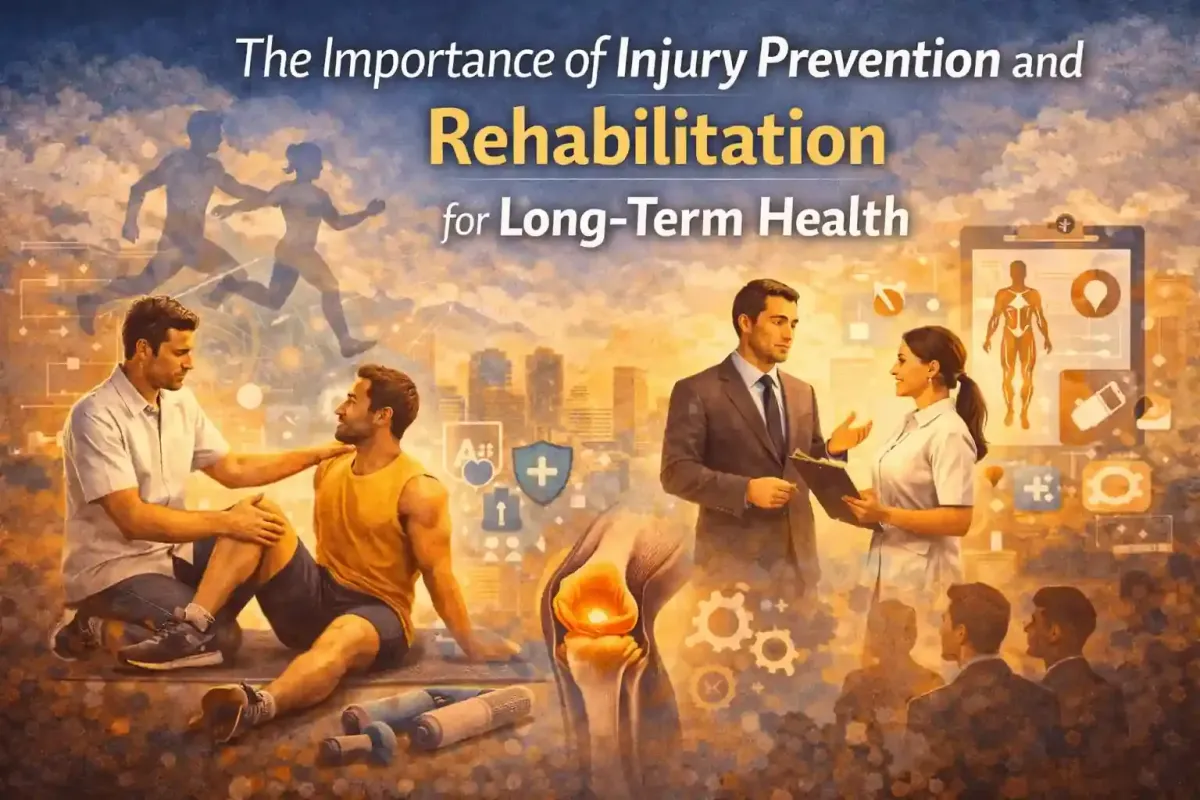
The Importance of Injury Prevention and Rehabilitation for Long-Term Health
Maintaining good physical health and performance is crucial for overall well-being, but it often requires more than just regular exercise. Whether you're an athlete or simply someone who values an active lifestyle, injury prevention and rehabilitation play significant roles in achieving long-term health outcomes. A holistic approach to managing injuries can not only facilitate recovery but also enhance performance, helping individuals lead healthier, more fulfilling lives.
The Role of Physiotherapy in Injury Prevention
Injury prevention is a key aspect of maintaining physical health, especially for those who engage in physical activities or sports. Physiotherapy is often the first line of defense in preventing injuries, as it focuses on correcting posture, improving flexibility, and strengthening muscles to ensure the body performs optimally. A physiotherapist works with individuals to assess their body mechanics, identify potential weaknesses, and develop a tailored exercise plan to prevent injuries from occurring.
For example, in sports, where the risk of injuries is high due to repetitive movements or intense physical exertion, physiotherapists use a variety of techniques to prevent strain or injury. These can include stretching exercises, strengthening regimens, and ergonomic training to ensure that movements are performed in a way that minimizes stress on the body.
The proactive approach of physiotherapy is critical in addressing and correcting imbalances or weaknesses before they lead to injury. By working with a professional, individuals can learn how to maintain proper body alignment, perform exercises safely, and recognize signs of potential injury before it becomes serious.
Rehabilitation and Recovery for Long-Term Health
In the unfortunate event that an injury does occur, rehabilitation becomes essential for recovery and long-term health. The rehabilitation process not only focuses on restoring physical function but also on ensuring that the individual recovers without the risk of re-injury. Physiotherapists and other allied health professionals play a crucial role in this process by developing rehabilitation programs designed to promote healing, regain mobility, and restore strength.
For example, after an injury such as a sprained ankle or torn ligament, physiotherapists may use manual therapy techniques, therapeutic exercises, and modalities like heat or cold therapy to accelerate recovery. The goal is to guide the individual through a structured program that rebuilds strength and mobility while gradually reintroducing activity to avoid further strain.
Recovery isn't just about physical healing; it also involves emotional and psychological support. Injuries can take a toll on an individual’s mental health, particularly if they are unable to engage in their usual activities. Through rehabilitation, individuals gain not only physical recovery but also the emotional resilience needed to return to their normal routines. This holistic approach ensures that the individual is prepared to handle both the physical and psychological challenges of recovery.
In some cases, rehabilitation might involve addressing lifestyle factors, such as improving posture or modifying exercise techniques to avoid future injuries. This comprehensive approach to injury recovery supports long-term health and helps individuals return to their peak performance levels, whether in sports, work, or day-to-day activities.
The Importance of Leadership in Health and Wellness
The importance of leadership extends beyond organizations and into personal health and well-being. Strong leadership skills can be instrumental in driving the commitment and discipline needed to maintain a healthy lifestyle. Leaders who prioritize their health and wellness are more likely to inspire their teams to do the same, fostering a culture of well-being within the workplace and beyond.
Leadership development programmes that focus on well-being can have a profound impact on how individuals approach health and fitness. Leaders who receive coaching in confidence building, emotional resilience, and decision-making can not only improve their leadership capacity but also model healthy habits for others to follow. Effective leaders are those who understand the importance of balancing physical health with career demands, promoting both personal wellness and professional success.
Furthermore, when leaders embrace wellness and rehabilitation, they create a culture that values physical health and supports recovery from injuries. This can have far-reaching effects on their teams, encouraging employees to seek help when needed and to prioritize their well-being.
For those who lead teams in high-stress environments, investing in leadership coaching can provide valuable tools to manage stress and avoid burnout. Leaders equipped with the right skills can foster environments where health, performance, and resilience are all prioritized.
This approach benefits not only the individual but also the broader community, ensuring that health and wellness are supported at all levels of an organization or community. For example, initiatives like Handshake Aid, which focuses on breaking barriers to education, emphasize the importance of well-being to ensure students can thrive academically and personally. Healthy, supported individuals are better equipped to overcome challenges and contribute to their communities.
In conclusion, injury prevention and rehabilitation are integral to maintaining long-term health, whether you're recovering from a sports injury or striving to prevent one. By addressing physical, mental, and emotional health through physiotherapy and leadership development, individuals can achieve better outcomes in both their personal and professional lives.
About the GNR Media Network
This article was published by a business that is part of the
GNR Media Visibility Network — businesses that have chosen
to work together to help one another be seen and share
their expertise with a wider audience.
Learn more about the GNR Media network.
