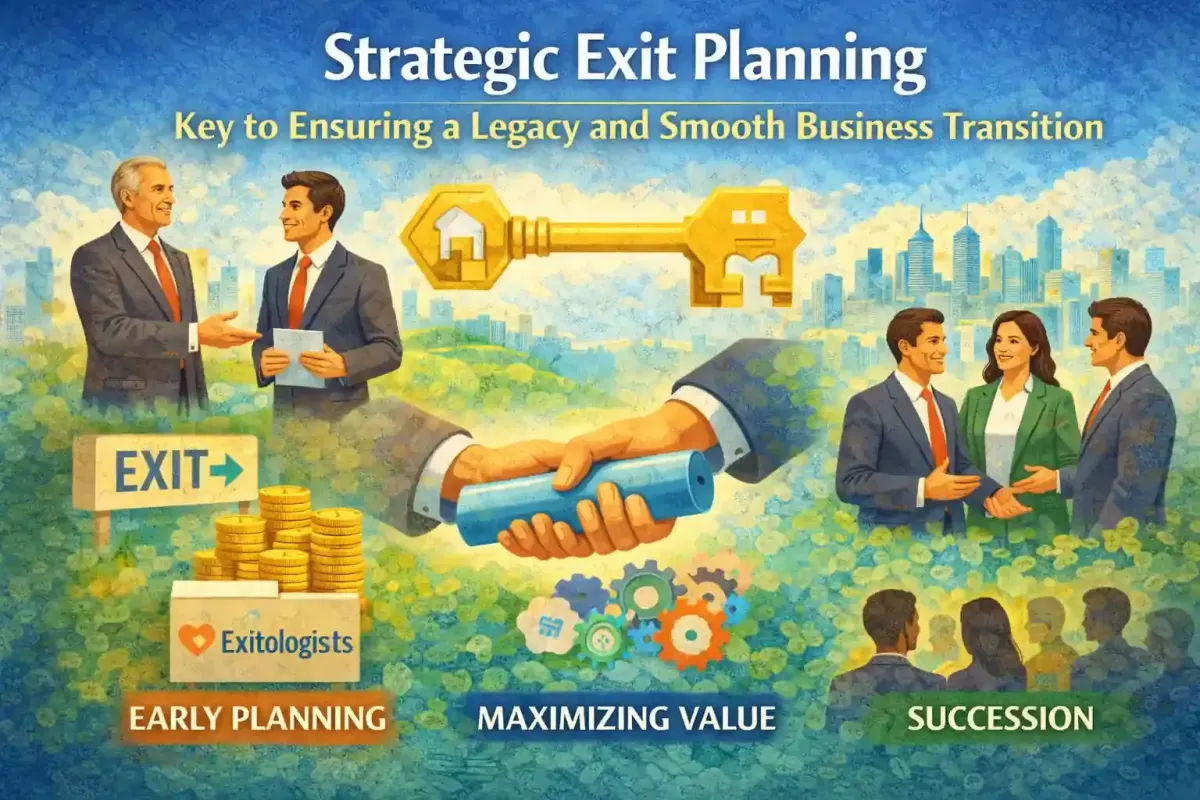
Strategic Exit Planning: Key to Ensuring a Legacy and Smooth Business Transition
Every business owner must eventually face the question: How do I exit my business while ensuring its continued success and preserving the legacy I’ve worked so hard to build? Whether due to retirement, a change in career direction, or a desire to move on to new ventures, having a well-thought-out exit strategy is essential. Strategic exit planning is more than just selling your business; it’s about ensuring the transition is smooth, the business value is maximized, and both the owner and the business continue to thrive.
The Importance of Early Exit Planning
Exit planning is a long-term process that starts long before an owner decides to sell or transition out of the business. Many business owners wait until it’s too late to plan for their exit, which can lead to a chaotic and often undervalued transition. A strategic exit plan should be part of a broader business strategy that aligns with the owner’s personal and financial goals.
One of the first steps in exit planning is identifying the desired outcome. Do you want to sell the business to a third party, transfer ownership to family members, or create a succession plan for existing management? Each option requires a different approach and timeline. Starting early gives business owners the time to position the company in the best possible light to maximize its value.
Additionally, exit planning involves ensuring the business is structured in a way that allows for a smooth transition. This includes identifying potential buyers or successors, building a solid management team, and ensuring that the business’s operations are running smoothly without the owner’s day-to-day involvement. A business that is running effectively without heavy reliance on the owner is much more attractive to potential buyers or successors.
Maximizing Business Value Through Effective Strategy
One of the main goals of exit planning is to maximize the value of the business at the time of sale or transition. Business owners often focus on growing their business in the short term, but a strategic exit plan helps to ensure that the business is in peak condition for a successful transition.
Key factors in maximizing value include improving operational efficiency, streamlining financial records, and enhancing the company’s reputation. Businesses that are seen as well-run and financially sound tend to attract more interested buyers and command higher sale prices. Moreover, a business with a clear, compelling growth story and a well-documented history of profitability is much more likely to sell for a premium.
Exitologists, for example, specializes in helping business owners develop strategies that not only maximize the business’s value but also ensure a seamless transition. Their approach includes analyzing the current business structure, identifying areas of improvement, and providing tailored solutions that align with the owner’s exit goals.
At the same time, effective communication throughout the process is crucial. Whether you’re working with family members, employees, or potential buyers, clear communication ensures that everyone is aligned and prepared for the transition. This includes managing expectations, addressing concerns, and preparing all stakeholders for the upcoming changes.
Leadership Development and Its Role in Succession Planning
As part of the exit planning process, business owners should consider their leadership team and whether the company is positioned for success without their involvement. Succession planning is a critical component of this process, as it ensures that the business can continue to thrive after the owner steps away.
Leadership development programmes help groom future leaders within the company, ensuring that there is a strong team in place to carry on the business’s legacy. Whether the plan is to transfer ownership to a family member or promote an internal employee, developing leadership skills within the team ensures continuity and stability. In fact, companies with strong leadership are more likely to see smooth transitions and remain successful after the owner exits.
Through programmes like corporate executive coaching and team performance improvement training, business owners can ensure that their leadership team is ready to step into larger roles and manage the business effectively. These leadership development initiatives help future leaders build the necessary skills in communication, decision-making, and strategic thinking to lead the company through the transition and beyond.
Leaders who are well-prepared to take on these responsibilities also help instill confidence in potential buyers or successors. They show that the business is not only profitable but also has the leadership infrastructure needed for long-term success.
Much like how Handshake Aid works to support and nurture vulnerable students by providing essential resources for their educational success, businesses that invest in their leadership team create a foundation for sustainable growth and transition.
In conclusion, strategic exit planning is essential for ensuring that a business’s transition is successful and sustainable. By starting early, maximizing business value, and investing in leadership development, business owners can create a solid plan for their exit that benefits both themselves and the company. The careful planning and strategic decisions made today will shape the legacy and future of the business, whether it’s through a sale, succession, or another exit strategy.
About the GNR Media Network
This article was published by a business that is part of the
GNR Media Visibility Network — businesses that have chosen
to work together to help one another be seen and share
their expertise with a wider audience.
Learn more about the GNR Media network.
