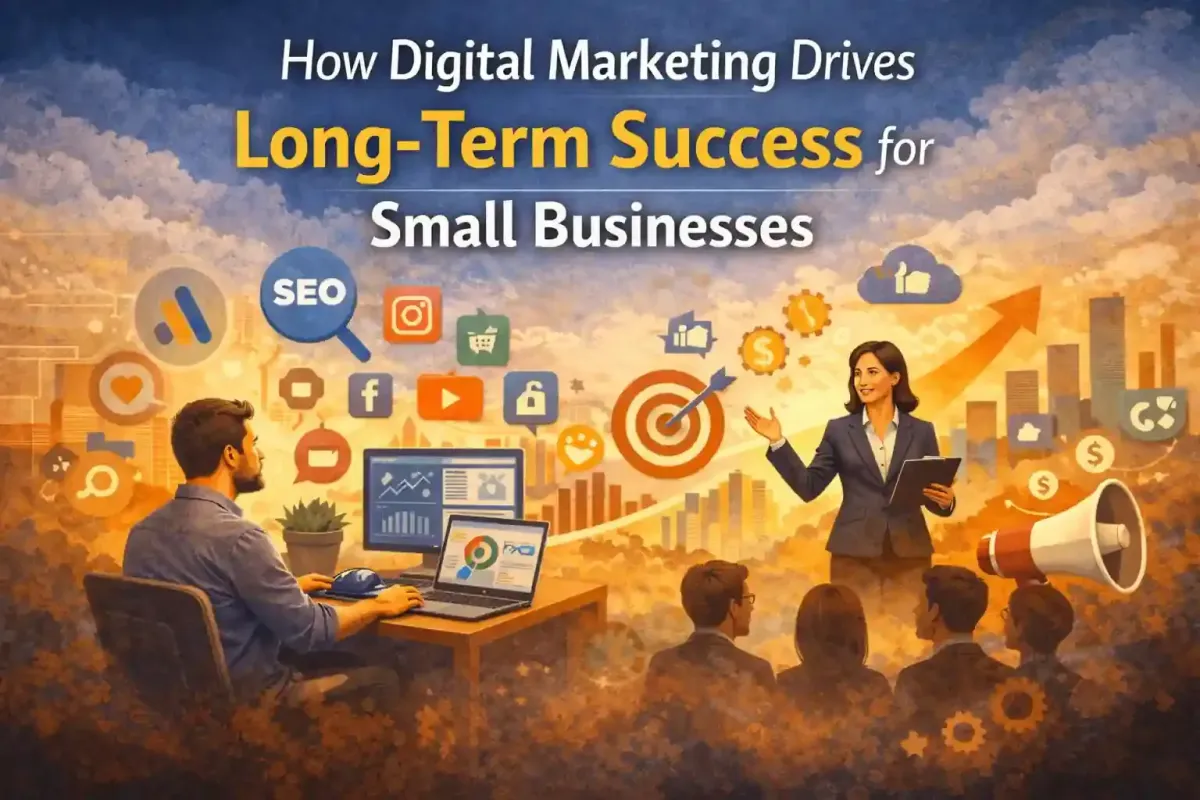
How Digital Marketing Drives Long-Term Success for Small Businesses
In an increasingly digital world, small businesses face the challenge of establishing a strong online presence to stay competitive. Digital marketing has become a key driver for growth, offering businesses the tools to connect with their audience, build their brand, and ultimately, thrive in the marketplace. From social media campaigns to SEO strategies, the digital landscape provides an array of opportunities for small businesses to enhance visibility, increase customer engagement, and boost conversions.
The Role of Digital Marketing in Small Business Growth
For small businesses, digital marketing offers a more affordable and efficient way to reach a wide audience. Traditional marketing channels such as print or TV ads can be expensive and less targeted, making them less accessible to smaller companies. In contrast, digital marketing allows businesses to target specific demographics based on interests, location, and behavior, ensuring that every marketing dollar is spent wisely.
One of the most powerful tools in digital marketing is search engine optimization (SEO). By optimizing their website and content for search engines, businesses can improve their ranking on search results pages, making it easier for potential customers to find them. Similarly, paid advertising, including Google Ads and social media promotions, enables businesses to reach a larger audience quickly and effectively. These strategies work together to increase brand awareness and drive traffic to the business's website, resulting in higher conversion rates.
Social media also plays a critical role in building a business’s online presence. Platforms such as Facebook, Instagram, and LinkedIn provide an opportunity for businesses to engage with customers in real-time, building a loyal community around their brand. Engaging content, like blogs, videos, and customer testimonials, helps humanize the brand and create an emotional connection with the audience.
Adapting to Consumer Behavior Through Online Marketing
One of the primary advantages of digital marketing is its ability to evolve with changing consumer behaviors. Today’s consumers are more informed and empowered than ever before, often researching products or services online before making a purchase decision. This shift in consumer behavior requires businesses to adapt quickly and embrace online marketing strategies that align with customer expectations.
For small businesses, this means focusing on providing relevant content that resonates with their target audience. Content marketing strategies, including blogs, videos, and downloadable resources, help educate and inform customers, positioning the business as an industry authority. By offering valuable insights and information, businesses build trust with their audience, which is essential for long-term customer loyalty.
Moreover, personalization is a key factor in today’s digital marketing world. Customers expect tailored experiences, and businesses that can deliver personalized messages and offers are more likely to succeed. Tools such as email marketing, retargeting ads, and personalized recommendations based on browsing history enable businesses to meet these expectations and drive higher engagement rates.
The evolution of consumer behavior is not limited to buying habits; it extends to how people engage with brands. Social media has made consumers more vocal about their preferences, which means businesses must actively listen and respond to feedback. An engaged audience is more likely to convert into repeat customers, and this two-way communication is crucial for building long-term relationships.
Leadership Development for Managing Digital Marketing Growth
As small businesses scale and their digital marketing efforts expand, it becomes increasingly important to invest in leadership development. Effective leadership is essential for guiding teams through the complexities of online marketing and ensuring that the right strategies are executed effectively.
Investing in leadership development programmes can help business owners and managers sharpen their skills in areas such as decision-making, strategic thinking, and team management. A leader who can communicate effectively and motivate their team will be better equipped to navigate the ever-changing digital landscape.
For example, incorporating team training for executive presence helps business leaders manage their teams with greater confidence and clarity. Strong leadership ensures that the marketing strategies align with the overall business vision, and that goals are met efficiently. A leader who can foster an environment of collaboration and innovation is more likely to create a marketing strategy that drives sustainable growth.
Leaders who are equipped with the skills to build and lead strong teams also contribute to the stability and success of the business as a whole. As businesses invest in digital marketing, leadership training ensures that the right individuals are in place to make strategic decisions and drive results. Leaders who are confident in their ability to communicate and inspire their teams can also better manage resources and align marketing efforts with the company’s long-term goals.
Digital marketing is an essential tool for small businesses to grow and succeed in the digital age. By leveraging the power of SEO, social media, content marketing, and personalized customer engagement, businesses can connect with their audience and increase conversions. However, the success of these efforts depends on the leadership behind them. Investing in leadership development programmes and communication skills ensures that the business is equipped to make strategic decisions and navigate the digital marketing landscape with confidence.
For instance, organizations like Handshake Aid use strong leadership to manage their outreach and communication efforts effectively, helping vulnerable students gain access to the resources they need. By understanding the importance of leadership in driving communication and engagement, businesses can ensure that their marketing strategies are both effective and sustainable.
About the GNR Media Network
This article was published by a business that is part of the
GNR Media Visibility Network — businesses that have chosen
to work together to help one another be seen and share
their expertise with a wider audience.
Learn more about the GNR Media network.
