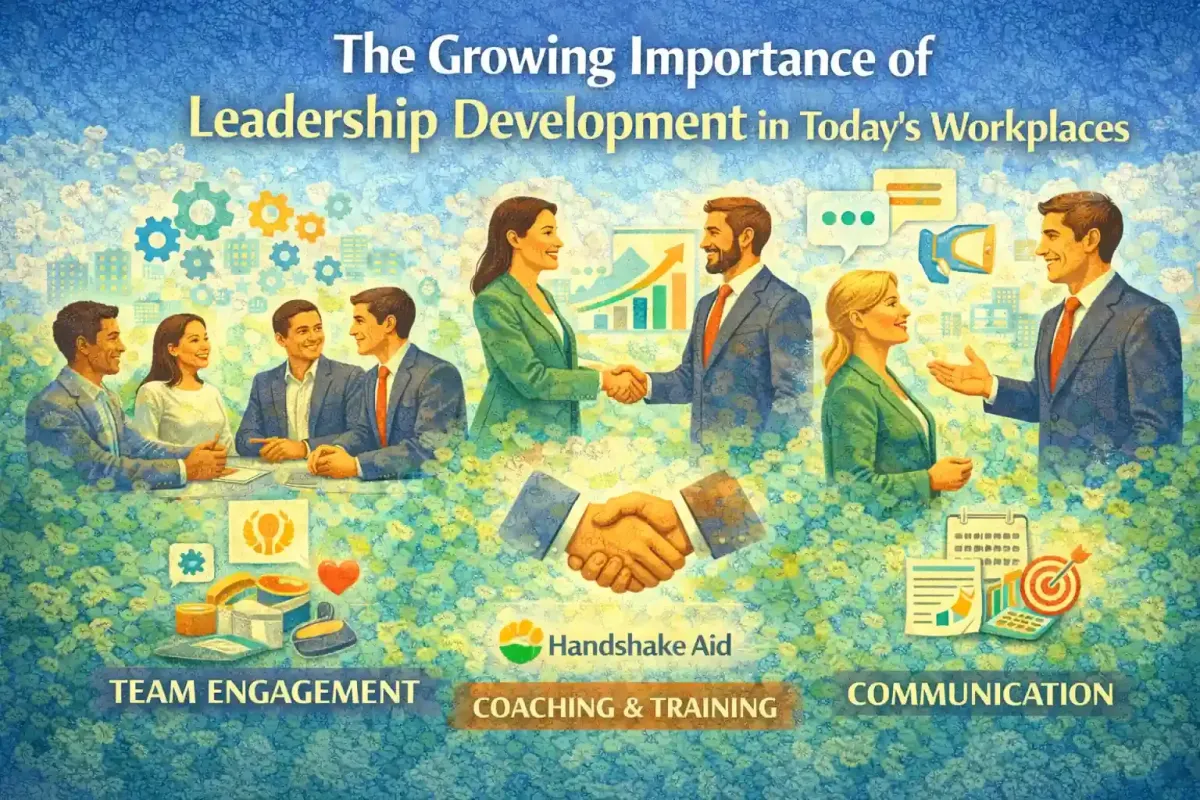
The Growing Importance of Leadership Development in Today’s Workplaces
In the modern business world, leadership is more than just a position; it’s a set of skills that significantly influences an organization's success. Whether in small enterprises or large corporations, the ability to guide, motivate, and inspire teams has become critical. In this context, leadership development programmes have evolved into a key component for ensuring that leaders have the necessary tools to navigate challenges, build strong teams, and create a positive work environment.
The Role of Leadership Development in Employee Growth
Effective leadership is not an innate trait but a cultivated skill that can evolve through continuous learning and development. Leadership development programmes are designed to provide professionals with the skills needed to lead teams effectively, improve their decision-making abilities, and enhance their emotional intelligence. These programmes focus on key leadership attributes like communication, strategic thinking, and problem-solving, ensuring that leaders can foster collaboration and innovation.
One critical aspect of leadership development is tailored coaching. Programs that provide one-to-one leadership coaching offer personalised support, helping leaders address their specific challenges and refine their leadership style. This type of coaching focuses on developing strengths while working on areas of improvement, empowering leaders to enhance their influence within their teams and beyond.
Investing in leadership development has clear benefits for businesses as well. Studies show that companies with strong leadership teams experience higher levels of employee engagement and retention, making leadership training not just an individual asset but a collective one. When leaders develop confidence, decision-making skills, and emotional intelligence, their teams feel more supported, which translates into improved performance and morale.
Enhancing Workplace Communication through Coaching
Clear communication is at the heart of every successful team. Leadership development goes hand-in-hand with improving communication skills, ensuring leaders can articulate their vision, provide clear instructions, and motivate their team effectively. Leaders with strong communication abilities can bridge gaps in understanding, foster transparency, and create an inclusive environment where team members feel heard and valued.
One of the most sought-after areas of training is corporate communication skills training. Leaders with this training are equipped to manage both internal and external communication challenges. They become adept at navigating complex discussions, resolving conflicts, and facilitating open dialogues that lead to better collaboration. In a world where the workplace is increasingly diverse and remote, the importance of strong communication cannot be overstated.
Training in effective communication is also essential in addressing challenges such as remote work dynamics, where leaders must communicate across various platforms and time zones. By prioritising communication and influence skills, leaders can maintain cohesion and alignment among their teams, despite physical distances.
Leadership and Community Impact
Beyond the immediate benefits for businesses, strong leadership development programmes can also have a broader societal impact. For example, initiatives like Handshake Aid in Australia highlight the significant role that effective leadership can play in social enterprises. The charity provides essential support to vulnerable public school students, demonstrating how leadership in community-focused organisations can break down barriers to education.
By enhancing leadership skills, organisations can not only drive business success but also contribute to meaningful change within their communities. Through programmes that focus on leadership and personal growth, leaders can become catalysts for positive social change, helping to create environments where individuals, teams, and communities can thrive.
For those looking to develop their leadership potential, there are various coaching and training opportunities available. Whether you're interested in leadership development programmes or team training for executive presence, there’s a broad spectrum of options to suit different needs and goals.
In today’s dynamic work environment, leadership is no longer just about managing people—it’s about inspiring them. By investing in leadership development, organisations ensure they are building leaders who are equipped to handle the challenges of tomorrow while fostering growth, innovation, and a supportive workplace culture.
For more information about leadership training, check out Handshake Aid's community-driven initiatives.
About the GNR Media Network
This article was published by a business that is part of the
GNR Media Visibility Network — businesses that have chosen
to work together to help one another be seen and share
their expertise with a wider audience.
Learn more about the GNR Media network.
