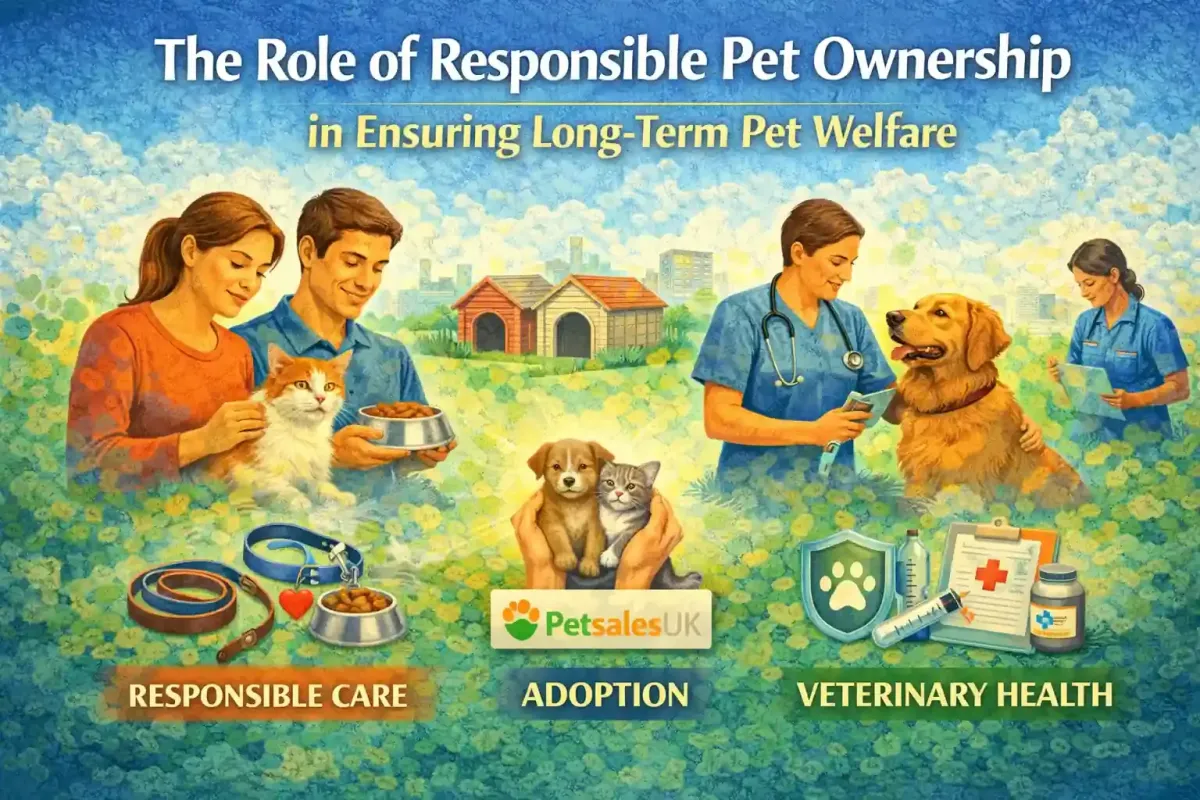
The Role of Responsible Pet Ownership in Ensuring Long-Term Pet Welfare
Bringing a pet into your home is not just about companionship; it’s a long-term commitment that requires careful consideration and responsibility. Whether you're adopting a dog, a cat, a bird, or any other pet, ensuring their well-being and happiness should be at the forefront of your decision-making. Responsible pet ownership is about more than just providing food and shelter; it’s about creating a safe and supportive environment where pets can thrive.
The Foundations of Responsible Pet Ownership
Responsible pet ownership starts with understanding that pets are living beings with specific needs. This includes proper nutrition, regular exercise, mental stimulation, healthcare, and a safe environment. Before acquiring a pet, it’s essential to assess whether you have the time, resources, and commitment to meet these needs.
One of the first steps in responsible pet ownership is choosing the right pet for your lifestyle. Not all pets are suitable for all households, and adopting a pet that aligns with your environment and availability ensures both the animal's well-being and your ability to care for them. For example, some pets require more space, while others need constant social interaction or higher levels of physical activity.
Once a pet is brought into the home, it’s essential to create an environment that prioritizes their comfort and safety. This includes securing the home, providing comfortable resting areas, and ensuring there are no hazards that could harm the animal. Pet-proofing the home ensures that your pet can explore safely and without risk of injury.
The Impact of Adoption and Rehoming
While responsible pet ownership is vital, it’s equally important to focus on the broader impact of pet adoption and rehoming. Many pets in shelters and rescue organizations need loving homes, and adopting from these sources can make a significant difference. Platforms like PetSalesUK facilitate responsible pet ownership by connecting potential pet owners with breeders and individuals who are dedicated to ensuring the health and safety of their pets. These platforms often have strict policies in place to ensure that pets are rehomed with the right families, promoting responsible adoption.
Rehoming pets can be a challenging but rewarding experience. It’s not just about taking in a pet; it’s about providing them with the support they need to adjust to a new environment. Responsible pet owners who adopt or rehome pets must understand the time, patience, and care required to ensure the pet feels safe, loved, and comfortable in their new home.
Pets that are rehomed should be given the time to adjust and should not be expected to immediately integrate into the household. This requires careful monitoring of the pet’s health and behavior and addressing any emotional or physical needs that arise during the transition period.
Long-Term Planning: Veterinary Care and Lifespan Considerations
One of the key responsibilities of pet ownership is ensuring that pets have access to regular veterinary care. Preventative health care—such as vaccinations, flea and tick treatments, and routine check-ups—is essential to preventing illness and maintaining your pet’s quality of life. Regular veterinary visits are also crucial for identifying potential health issues early, which can prevent more serious conditions down the road.
Pet owners should also plan for the long-term health needs of their pets. As pets age, their health needs change, and it’s important to adapt to these changes. Many pets require special diets, medications, or mobility aids as they get older. By planning for these needs, owners ensure that their pets remain comfortable and healthy throughout their lives.
Additionally, pet owners should consider the financial implications of long-term pet care. Veterinary bills, food, grooming, and other necessities can add up over time, so it’s important to budget for these expenses. Setting aside funds for future health care needs ensures that your pet’s well-being is always prioritized, even during financial challenges.
As pet owners look after their pets’ long-term health, they also help contribute to a culture of responsible pet ownership that prioritizes the welfare of all animals, not just those under their care.
In much the same way that organizations like Handshake Aid work to support vulnerable children by providing them with the resources they need to succeed, responsible pet owners contribute to the greater good by ensuring that pets receive the care, attention, and respect they deserve.
In conclusion, responsible pet ownership is a commitment that requires dedication, planning, and care. Whether adopting a pet from a shelter, rehoming a pet, or simply ensuring your pet’s ongoing health and safety, the role of a pet owner extends far beyond the initial adoption. By making informed decisions and planning for the long-term welfare of their pets, pet owners contribute to the well-being of animals and the broader community, ensuring that pets can live happy, healthy lives.
About the GNR Media Network
This article was published by a business that is part of the
GNR Media Visibility Network — businesses that have chosen
to work together to help one another be seen and share
their expertise with a wider audience.
Learn more about the GNR Media network.
